
From Log to Slab: A Look at How Timber Is Milled

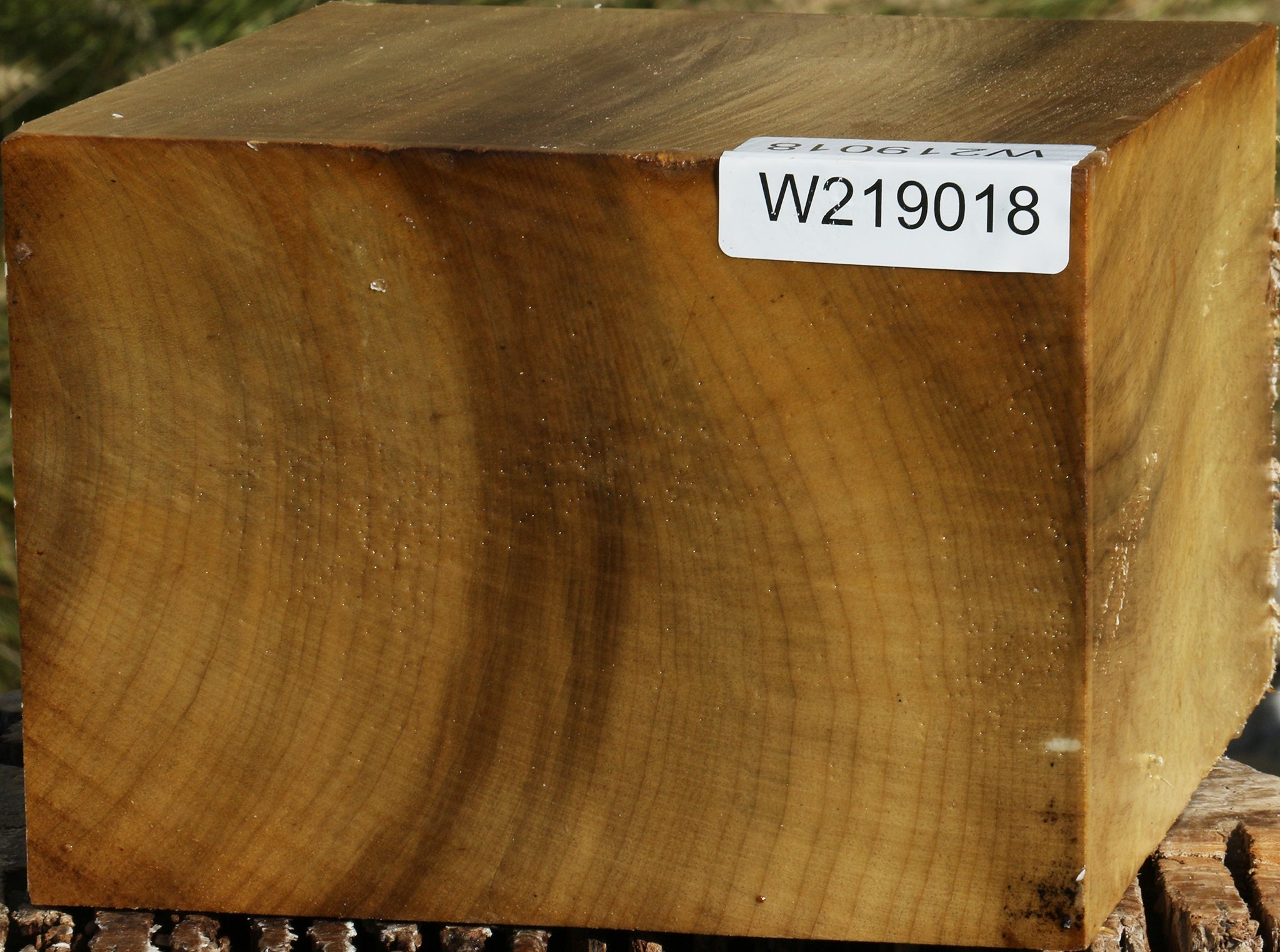
It Starts With the Cut
How a log is first cut determines everything about the slab that follows. A straight, flat-sawn cut produces uniform boards ideal for framing and general construction. A live-edge or through-and-through cut preserves the natural outer contour of the tree, revealing the widest possible grain patterns — the kind prized for statement furniture pieces.
Drying Is Where Wood Becomes Workable
Freshly cut wood is far too wet to use — it needs to lose most of its internal moisture before it’s stable enough for furniture or flooring. Air-drying can take months to years depending on thickness and species, while kiln-drying speeds up the process under controlled heat and humidity. Rushing this step is one of the most common causes of warping and cracking later on.
Grain Direction Shapes Strength and Beauty
The angle at which a slab is cut relative to the tree’s growth rings affects both how it looks and how it behaves. Quarter-sawn cuts tend to be more dimensionally stable and often reveal a striking ray-fleck pattern, while flat-sawn cuts show broader, more dramatic cathedral grain — a tradeoff between stability and visual drama.
Not Every Slab Survives the Process
Internal stress, hidden cracks, and uneven drying can cause a promising log to split or warp beyond use. This is part of why hand-selected timber costs more than mass-produced lumber — a significant portion of raw material never makes it to the final inventory.
From Mill to Workshop
Once dried and surfaced, a slab is ready for its next life — whether that’s a dining table, a cutting board, or a one-of-a-kind art piece. Understanding this journey makes it easier to appreciate why no two slabs, even from the same tree, ever look quite the same.
Every board has a process behind it — one that shapes not just its appearance, but how it will perform for decades to come.